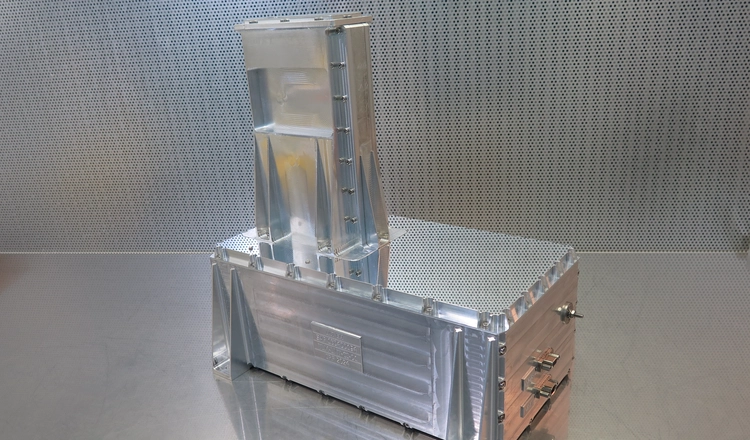
Turkish Lunar Mission – AYAP-1
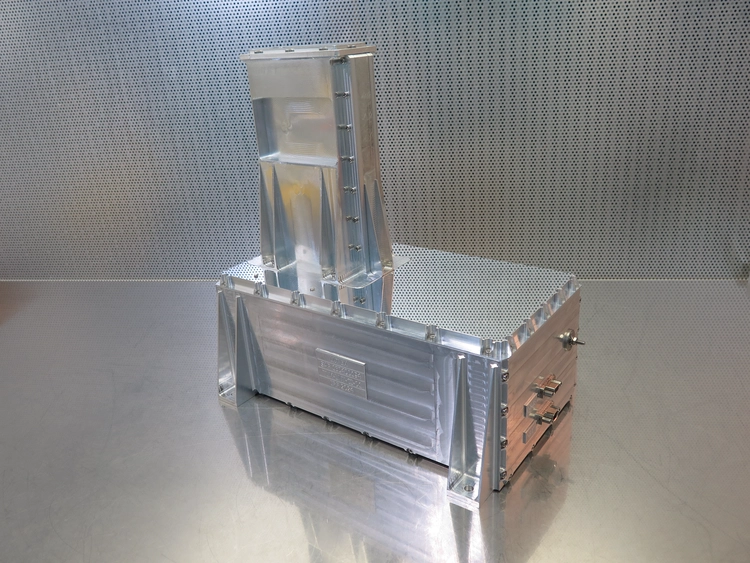
A new space instrument from IRF will be sent to the Moon onboard the Turkish Lunar Mission-1 (AYAP-1) spacecraft in 2027. From lunar orbit, the Lunar Neutrals Telescope (LNT) will study how the solar wind – charged particles flowing from the Sun – interacts with the lunar surface.
The collaboration between IRF and the Turkish Space Technologies Research Institute (Tübitak Uzay) gives IRF a new opportunity to explore the lunar environment.
Built in Kiruna
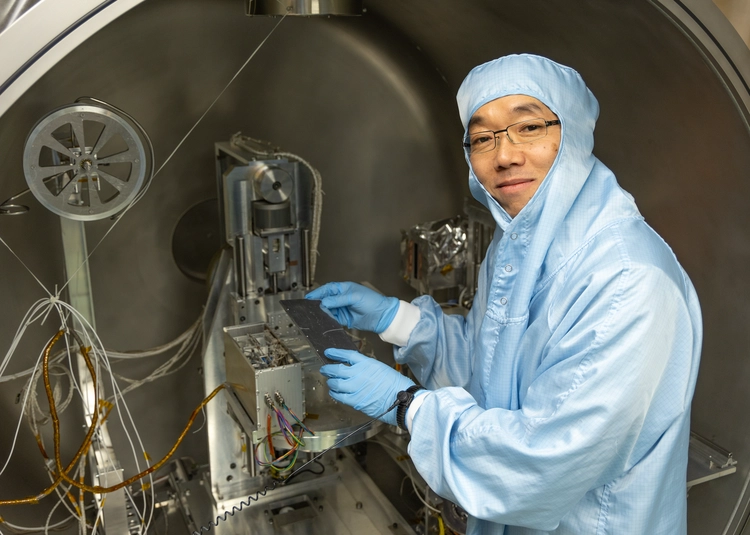
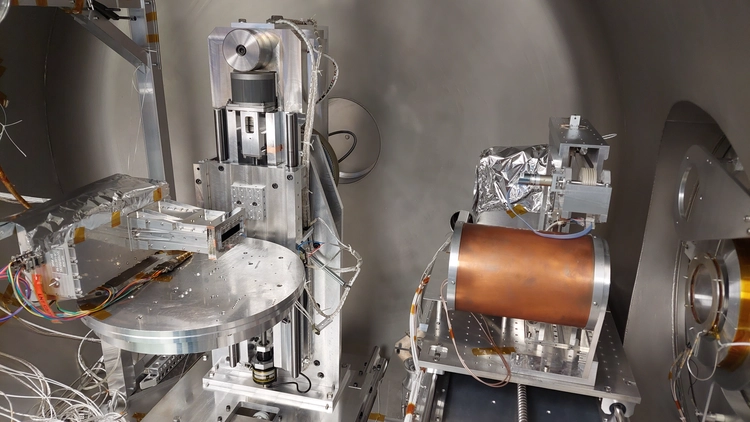
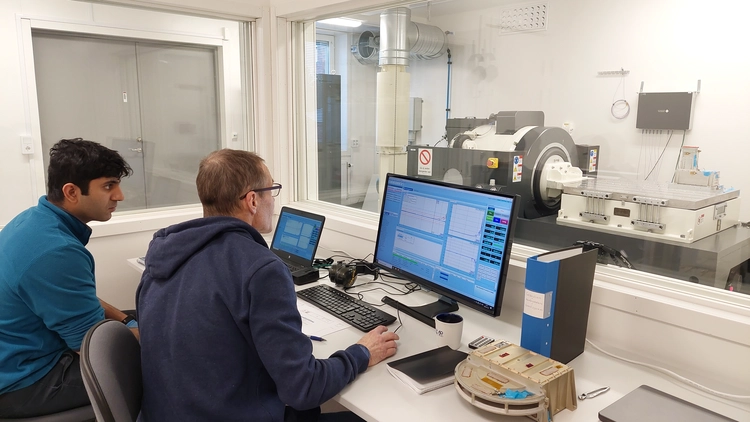
The LNT is a particle instrument specifically designed to detect energetic neutral atoms (ENAs) originating from the Moon’s surface and its near-surface environment. The instrument is developed at IRF headquarters in Kiruna, building on the heritage of a successful predecessor flown onboard India’s lunar mission Chandrayaan-1. With improved and optimized performance, the new instrument will be capable of resolving the Moon’s surface with unprecedent spatial resolution of 12 km x 12 km.
Science goals
During the mission, the instrument will address several important scientific questions, including:
- How the solar wind interacts with localized magnetic fields on the Moon, which may shield the surface from the solar wind.
- How the composition of the lunar surface varies between different regions.
- What may be hidden in permanently shadowed regions near the lunar poles, where water ice and other volatile materials may have been preserved for billions of years.
The AYAP-1 mission
AYAP-1 is a Turkish lunar mission that will orbit the Moon at an altitude of 100 kilometers for about three months. The mission will end with a controlled hard landing on the lunar surface.