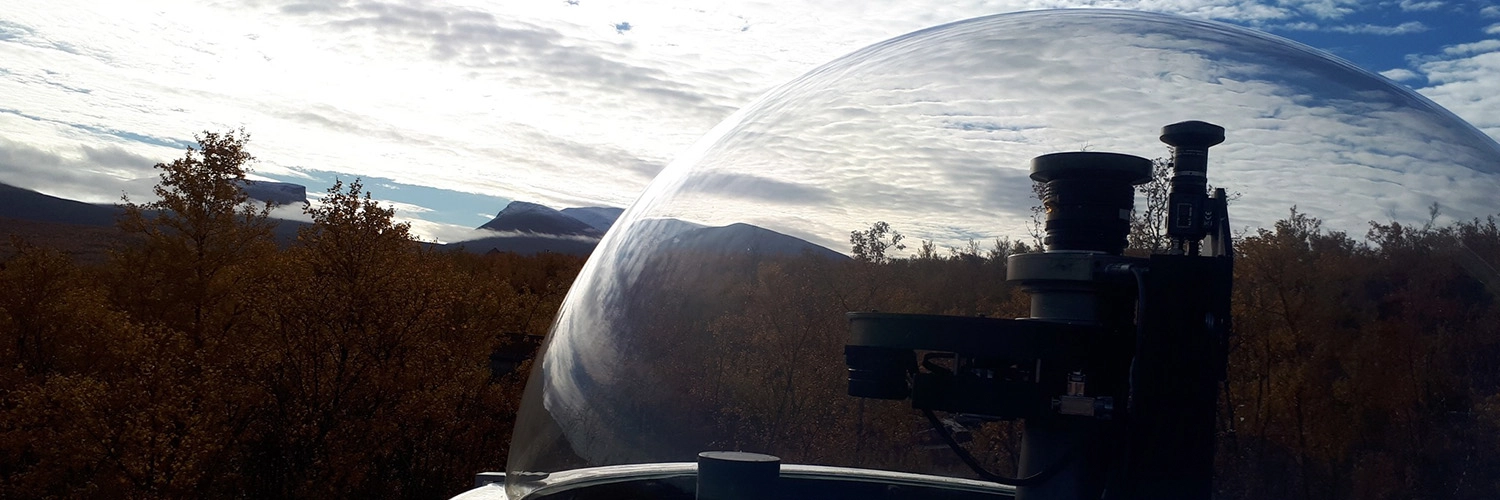
Three-dimensional Aurora?
The Instrument ALIS_4D images aurora in three dimensions
More on observatory activities
Comet chasing?
IRF develops and builds scientific instruments for space missions
Read about Comet interceptor
The Instrument ALIS_4D images aurora in three dimensions
More on observatory activitiesIRF develops and builds scientific instruments for space missions
Read about Comet interceptor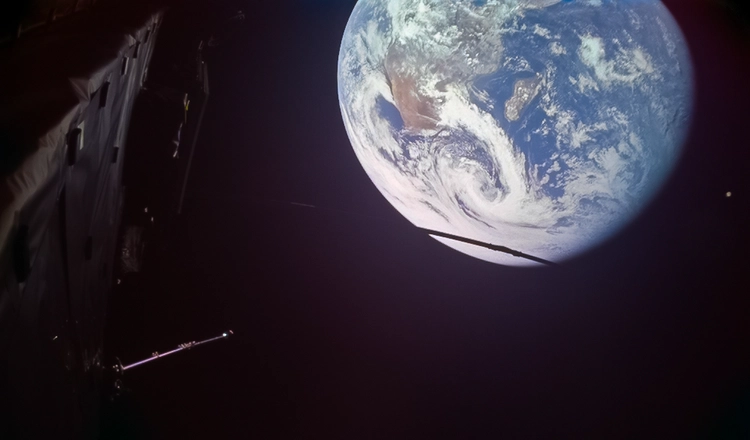
For ten hours, the European Space Agency ESA rotated its Juice spacecraft once per hour. The main purpose was to calibrate Radio & Plasma Wave Investigation (RPWI). It was the first time that RPWI had determined how Juice should be oriented in space.
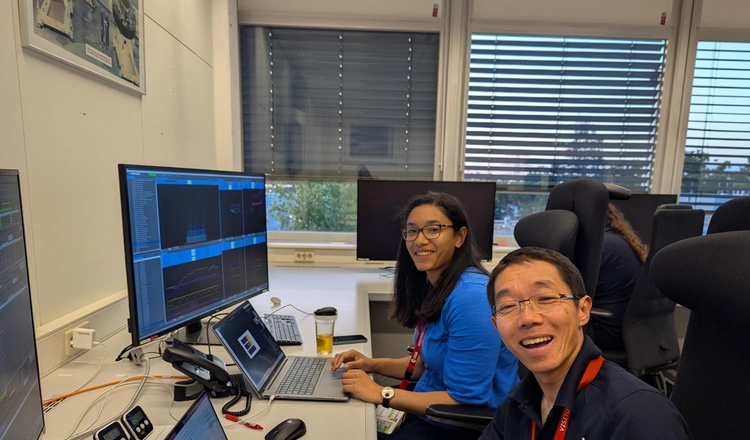
After three years of planned rest in space, the IRF-built Jovian Neutrals Analyzer (JNA) has been fully powered on for the first time. Now, after being successfully switched on, the instrument is making its first real scientific observations, as the European Space Agency ESA’s Juice spacecraft passes Earth for a gravity assist today, 28 September.
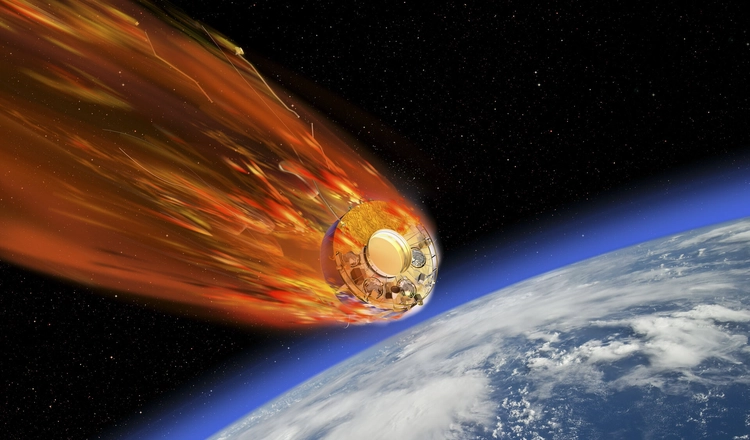
After more than two decades in space, the European Space Agency ESA’s Cluster mission has now come to an end. On 31 August, the Samba satellite re-entered Earth’s atmosphere, followed by Tango on 1 September. Tango’s re-entry marked the final end of Cluster, a mission that transformed our understanding of Earth’s magnetic environment.
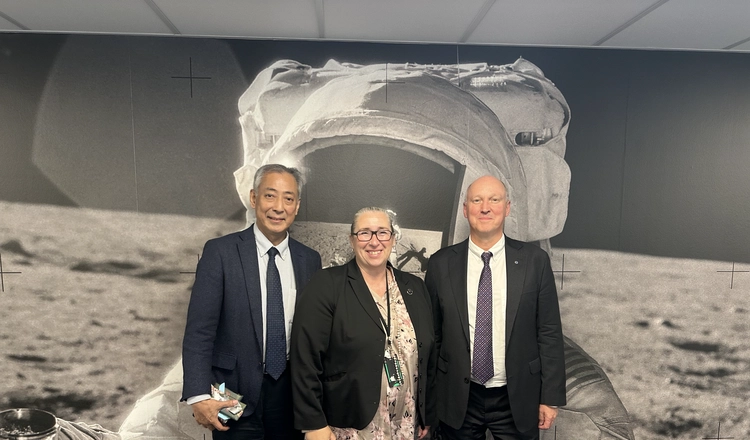
Last week, IRF Director General Olle Norberg and scientist Yoshifumi Futaana met with Japan Aerospace Exploration Agency (JAXA) President Dr Hiroshi Yamakawa, in Stockholm. Together with Swedish National Space Agency Director General Ella Carlsson and representatives from Business Sweden, they discussed ongoing collaborations and opportunities for future joint initiatives.