
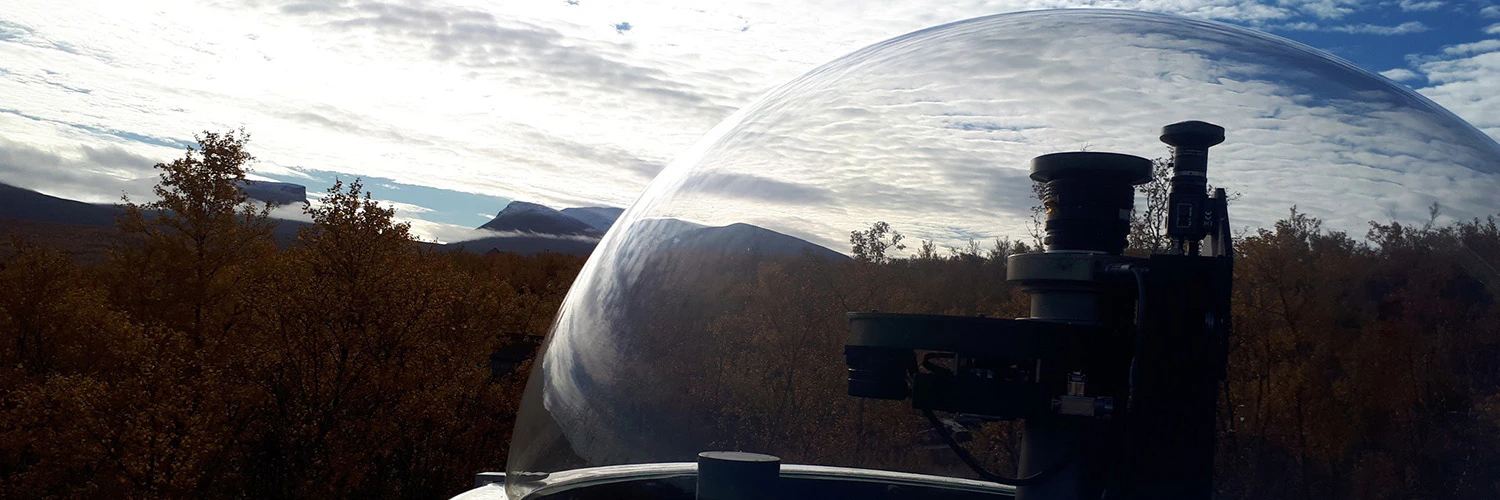
Three-dimensional Aurora?
The Instrument ALIS_4D images aurora in three dimensions
More on observatory activities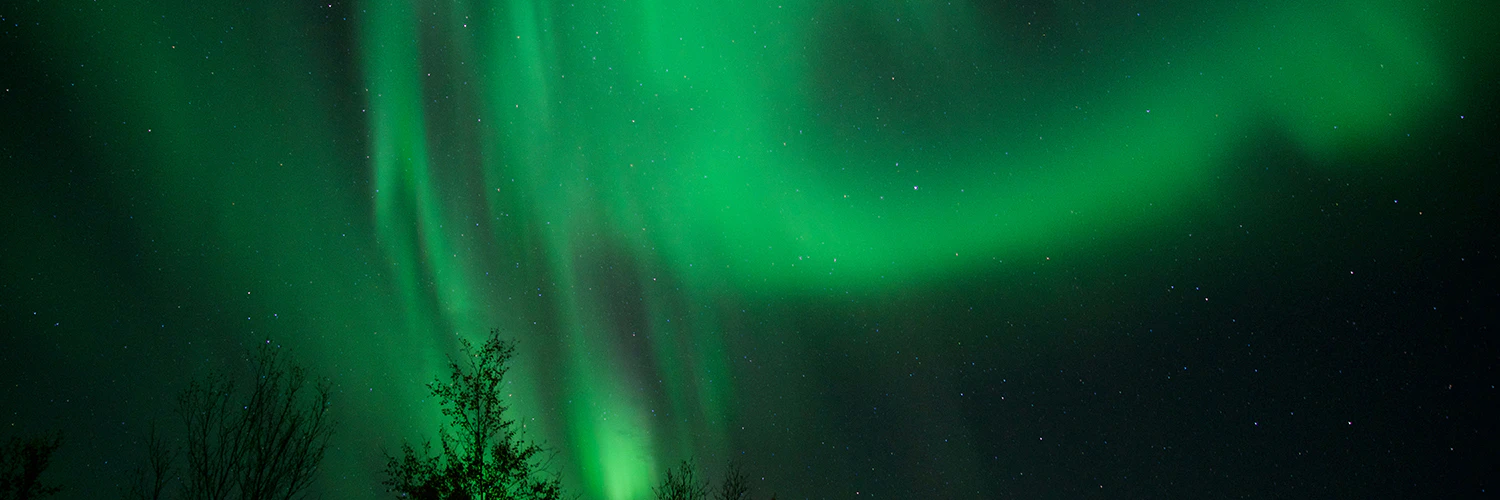
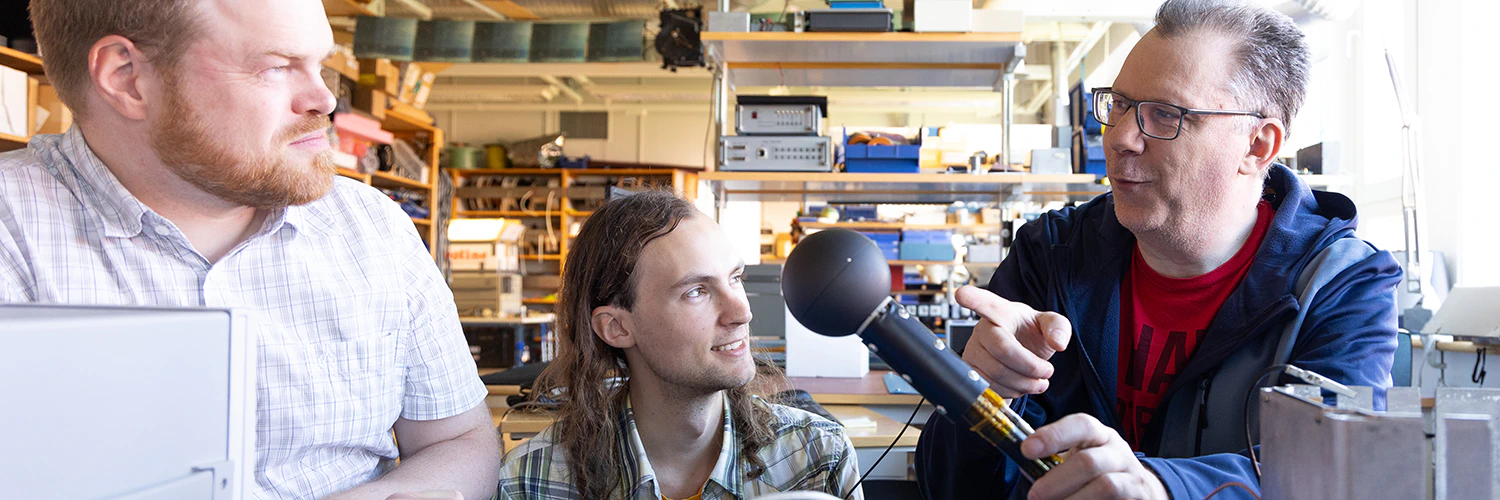
Comet chasing?
IRF develops and builds scientific instruments for space missions
Read about Comet interceptor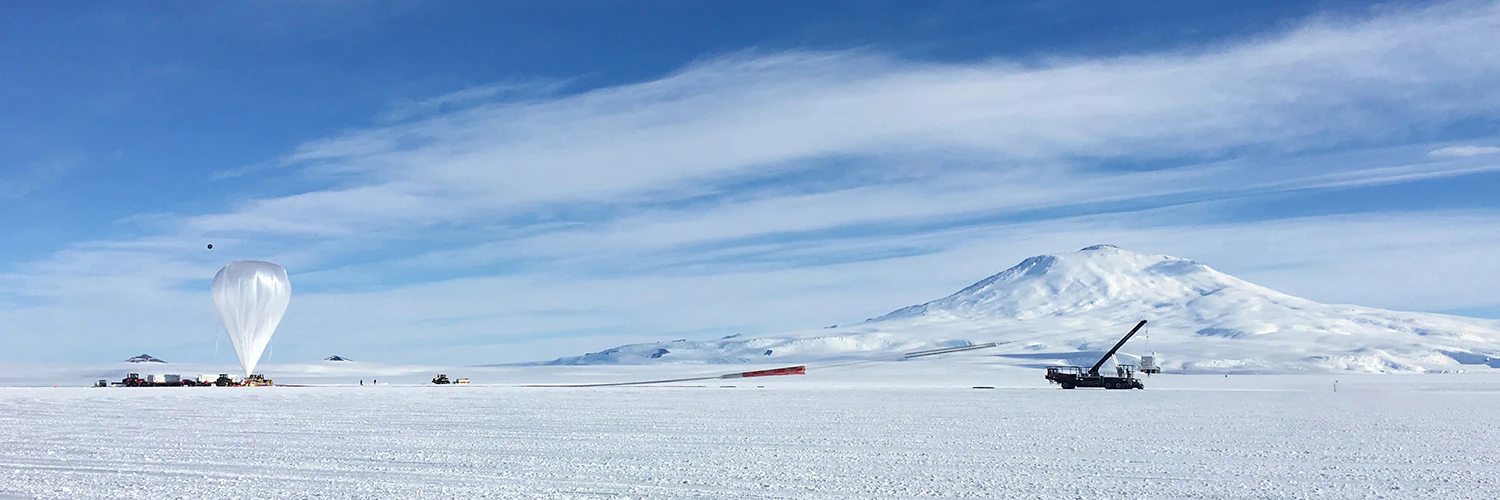
The Instrument ALIS_4D images aurora in three dimensions
More on observatory activitiesIRF develops and builds scientific instruments for space missions
Read about Comet interceptor
How does Earth’s atmosphere affect our ability to track satellites and space debris? This is one of the questions that Jhassmin Aricoche Del Campo, a new PhD student at the Swedish Institute of Space Physics (IRF), will study in Kiruna.
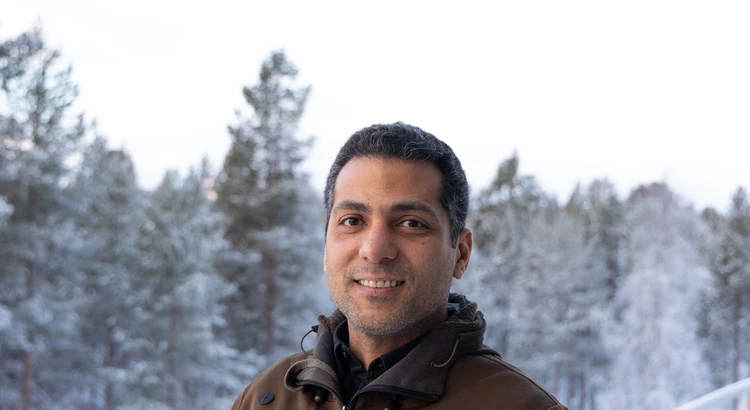
A new ongoing project led by the Swedish Institute of Space Physics (IRF) and Umeå University is developing a 3D visualisation framework to make an invisible region high above Earth accessible. This region influences the northern lights and technologies such as navigation and communication.
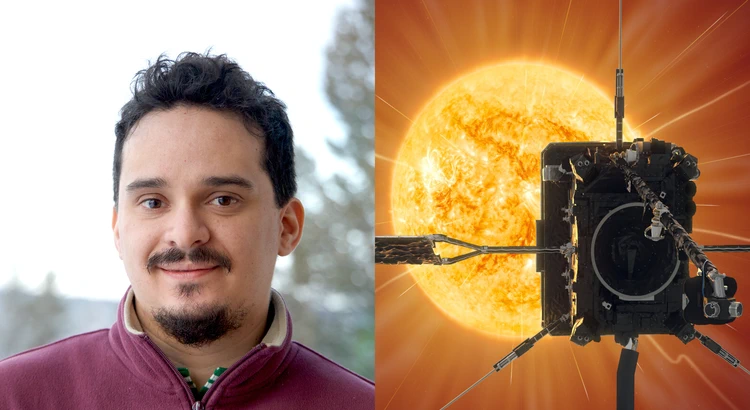
Different types of plasma waves occur frequently in the solar wind close to the Sun and play a key role in redistributing energy among particles as the solar wind expands through the solar system. This is one of the main findings in the doctoral thesis of Jordi Boldú at the Swedish Institute of Space Physics (IRF) and Uppsala University.
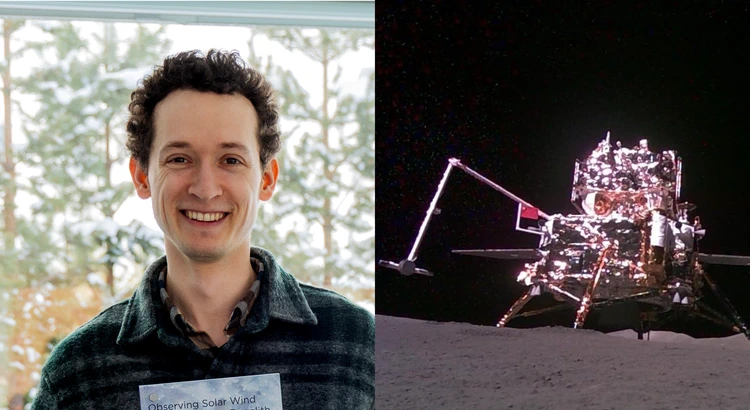
Hydrogen atoms hitting the Moon’s surface may bounce back into space instead of sticking to the lunar soil. Many of them leave the surface carrying a negative charge. This result comes from the doctoral research by Romain Canu-Blot, based on measurements from an instrument designed to study how particles interact with the Moon’s surface.